
Plumber or Insurance First? The Order That Protects the House and the Claim
Stop the water, document it, then make calls — and the plumber goes ahead of the adjuster, because someone has to end the loss and establish what failed before anybody can evaluate it.
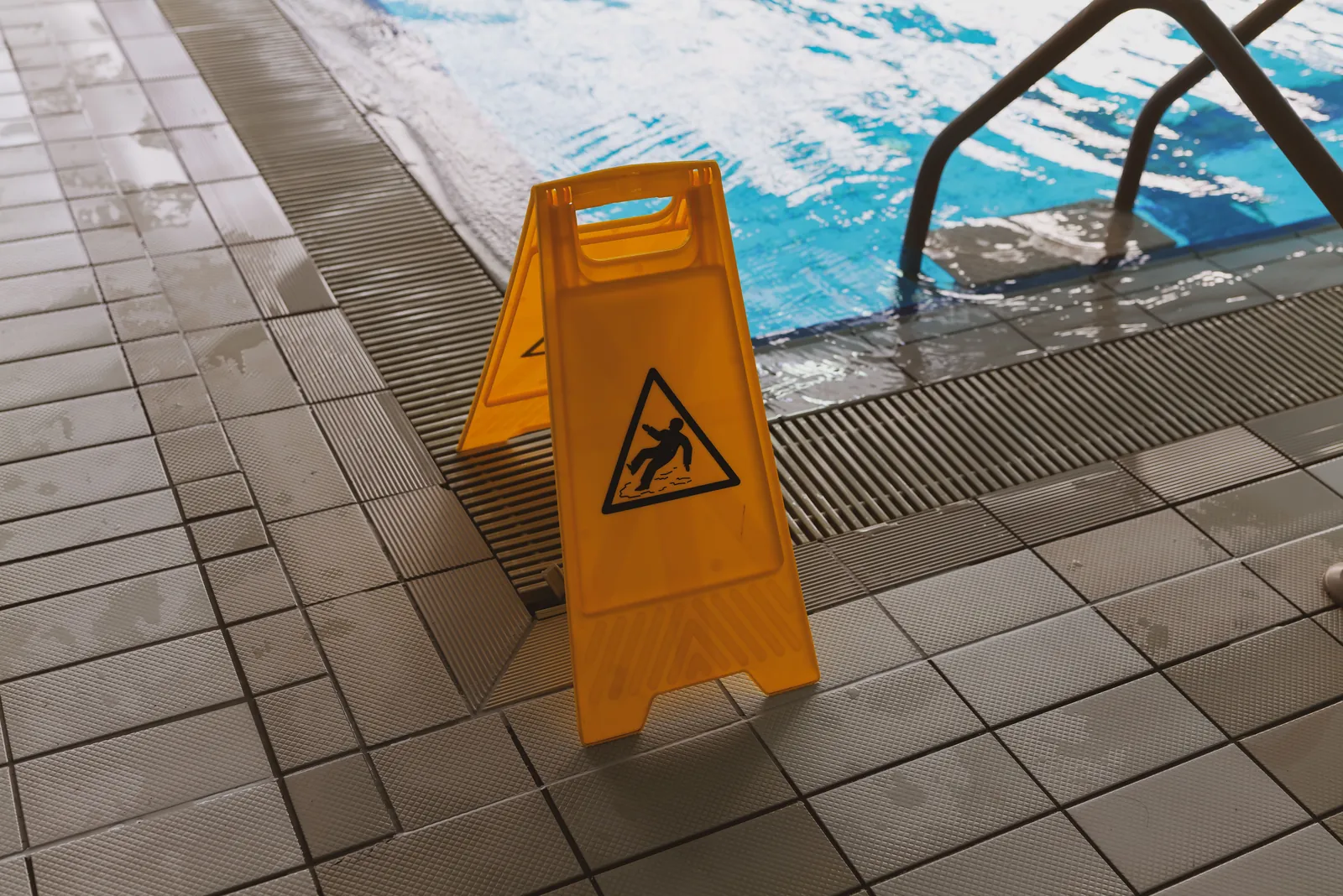
Stop the water first. Photograph everything before anyone moves it. Then start making calls — and the plumber goes ahead of the adjuster, because a loss that is still actively getting worse is not a loss anybody can evaluate. The plumber ends it and establishes what failed. A restoration company dries the building. The adjuster needs both of those, in writing, and cannot do either one for you.
The order, and why it is that order
Close the water
The main shutoff if the source is not obvious, the fixture stop if it is. Every minute here is measured in square feet of floor, and nothing else on this list matters until it is done.Photograph before anything moves
Two minutes, and it is the only step that becomes impossible later. The water at its real edge, the failed part in place, the rooms as they actually are. Once towels and fans are out, the scene you are documenting is a cleanup, not a loss.Call a plumber
To stop the source properly if it is still running, and to establish what failed — the part of the file nobody else on the list is qualified to write. It is the call that ends the event.Notify the carrier, and get drying started
Same day. Policies generally ask for prompt notice, and yours will tell you what it expects. Make that call with facts in hand, then get a restoration company moving, because the drying clock starts the moment the water does.
Step one is worth rehearsing before you need it. If you have never located your main shutoff valve, find it on a dry day rather than a wet one — the same argument that applies to shutting a house down before you leave it. Step three is ordinary emergency plumbing work, and it is the one that ends the event rather than managing it.
People invert steps three and four constantly, usually because the bill is the frightening part and it feels responsible to check on coverage before spending money. The problem is that the first question anyone asks you is what happened, and until somebody has looked, you do not know. "Water is coming through the kitchen ceiling" is not a cause of loss. It is a symptom, and reporting it as a cause is how files start out wrong.
What to photograph before anything is moved
Assume every photograph will eventually be looked at by somebody who was never in the building.
Wide shots first, one from the doorway of every affected room, so the extent reads without explanation. Then the water at its actual edge — the moment a towel goes down, that edge is gone and cannot be recovered. Then the component that failed, twice: once from far enough back to show where it lives in the house, once close enough to read a fitting or a crimp.
Ceilings and walls from underneath. Contents where they sit, not after they have been stacked in the hallway. Cabinet interiors, because the underside of a sink base tells a story the room does not.
Then walk the house on video, narrating as you go — what room you are in, what you are looking at, what is wet. It takes ninety seconds and it puts the whole thing in one continuous, timestamped file rather than forty photographs somebody has to sequence later.
And keep the part. The split braided hose, the corroded nipple, the cracked valve body, the section of pipe that was cut out. That object is the most direct evidence there is of what happened, it costs nothing to keep, and it fits in a grocery bag in the garage.
Why cause of loss is the part a plumber settles
Every water claim eventually comes down to a mechanism. Not there was water — that part is never in dispute — but what failed, and how.
That distinction carries weight, because policies commonly draw a line between a sudden failure and something that had been seeping for a long time, and because the failed component and the damage that followed are frequently treated as two separate questions. Which side of any of those lines your situation falls on is your carrier's determination, not mine. But the technical description that the determination gets made from is exactly the thing a plumber is qualified to produce and nobody else on the scene is.
The failures behind most of these look nothing alike once you are standing at them. A supply line that let go at the crimp is a discrete, datable event. A water heater that split at the tank is a different mechanism with a different signature, and it is the reason age matters on water heater work. A slab leak that has been running under the floor is a third thing again — it is not sudden, it has been happening, and pretending otherwise on paper serves nobody. A hidden leak inside a wall may have been quietly wetting a cavity for months before it announced itself, which is what leak detection work exists to find.
Those are four genuinely different stories. The person who can tell you which one you have is the person who opened it up and looked.
What does the plumber's paperwork need to contain?
Ask for this at the house, while it is fresh, rather than a week later by email.
Date and time on site. The service address. What was found, in specific terms — the component, its material, and where in the building it is. What failed, and what was physically visible that demonstrates it. What was done to stop the water. What was replaced, and with what. Photographs attached to the document rather than referenced in it. And the license number of whoever wrote it.
An invoice that says "repaired leak" is not dishonest. It is just empty: no cause, no location, no timeline, nothing a third party can do anything with. The version that helps you costs the same and takes ten extra minutes to write.
Three trades, three jobs
The confusion in most of these situations is not about who to call. It is about what each call is for.
| Plumber | Restoration contractor | Adjuster | |
|---|---|---|---|
| Ends | The water | The moisture | The claim |
| Produces | Findings, cause, repair record | Moisture readings, drying log | A coverage determination |
| Needs first | Access to the source | The source stopped | Both of the above |
| Cannot do | Dry the structure or read your policy | Repair the failure or read your policy | Stop water or dry anything |
Read down the "needs first" row and the order stops being a matter of opinion. A restoration crew cannot dry a building that is still filling. An adjuster cannot evaluate a loss with no established cause and no end date.
Where my usefulness stops
I am a plumber. I am not licensed to read your policy and I am not going to pretend otherwise, because the version of this article that tells you what your coverage will do is the version that gets somebody hurt.
Policies differ from each other in ways that matter enormously here. Deductibles differ. The treatment of the failed part versus the damage it caused differs. What counts as prompt notice differs. Anyone in a truck who tells you confidently that "insurance always covers this" is guessing with your money, and the fact that they are frequently right is not a defence.
What I can do is establish accurately what failed and put it in writing with photographs attached. What I will not do is describe a failure as something other than what it was, in either direction, for anybody's convenience. That includes yours — and it is worth knowing that pipe material itself sometimes becomes the whole conversation, which is the situation homeowners run into with polybutylene.
What to do while you wait
Get standing water off wood and out of the building envelope, and lift contents rather than dragging them. You have already photographed the original state, so cleaning up now costs you nothing.
If water is running through ceiling fixtures or down near outlets, treat that room as an electrical hazard and stay out of it. That is not a plumbing judgement call.
Do not start cutting drywall yet. Access sometimes has to be opened to reach a failure, but that is a decision to make with the plumber, not ahead of them — cut in the wrong place and you have added damage that was not part of the loss.
And be careful about signing anything handed to you by someone who arrived without being called. Water damage draws door-knockers. Read what you sign, or do not sign it.
If the failure turns out to be a buried run between the meter and the building, that is water line repair rather than an indoor event. If it happened on a cold night, the triage is a little different and it is covered in what to do after the freeze. Either way the sequence above does not change, and it is the same sequence here in Fairhope as anywhere else in the county.
(251) 423-7654, any hour. Brandon Byrd, Alabama Master Plumber MP-4462.
A note on scope. Nothing above is insurance advice, and none of it is a statement about what any policy covers or what any claim will pay. Insurance is not my trade. The sequence, the documentation and the cause-of-loss determination are — those are the parts I can speak to, and they are the parts most often gotten wrong in the first hour. For anything to do with coverage, terms or the claim itself, the people to ask are your carrier and your agent.