
Plumber in Elberta, AL.
Highway 98 east of Foley with deep German farming heritage and twice-yearly Sausage Festival weekends. A Elberta call near Hwy 98 uses the complete Elberta address. At each Elberta property, Master Plumber MP-4462 handles diagnosis. Before Elberta work begins, the customer receives an upfront price.
- 01Master Plumber MP-4462
- 02Upfront pricing
- 032-year repair warranty

Elberta sits on Highway 98 in the south-east quarter of Baldwin County, 25.9 road miles and about 41 minutes from the Streamlined Plumbing shop in Fairhope. Its resolved ground point is 66.0 feet — the eighth lowest ground elevation of the 22 communities Streamlined Plumbing serves, and thirty-four feet under the midpoint of that set. The town holds 2,209 residents in 950 occupied households, with 1,140 housing units in total, all inside ZIP 36530. Its named parts are Downtown Elberta, the Highway 98 corridor, the Baldwin County Heritage Museum area, and the farmland that surrounds all three. Two figures set Elberta apart from the rest of the county's inland towns before any pipe is discussed. The median age here is 49.8, which is a genuinely older population, and 190 of the 1,140 housing units — close to one in six — were not occupied when the Census survey was taken. An ageing, partly part-time community changes what plumbing work looks like: more of it is discovered late, more of it is decided by somebody who is not standing in the building, and more of it involves systems that have been sitting idle rather than systems that have been working hard. The sections below take the town's profile in order — housing era, water supply, ground and flood mapping, and the 2025 weather record — and each service link points at the page that works one part of it in detail.
What a plumber needs to know about Elberta.
The housing stock in Elberta
Elberta's Census median year built is 1993, so the middle house in town is about thirty-three years old in 2026 and half the stock predates it. That places the town's midpoint just before a well-known change in American residential fixture standards, and it places its plumbing squarely in a period where several supply and drain materials were in concurrent use. Neither fact justifies an assumption about any individual address. What the 1993 midpoint does justify is the habit of looking before quoting: on stock of this age the material behind the wall is established by looking — under a sink, at the heater's connections, and at the point where supply crosses into the building — and the build year is a starting hypothesis rather than an answer.
The occupancy figures are where Elberta becomes distinctive. Of 1,140 housing units, 950 are occupied, leaving 190 — roughly one in six — recorded as unoccupied. Of the 950 occupied, 669 are owner-held at 70.4% and 281 are rented. Median home value is $215,600 against a median household income of $57,996, and the median resident is 49.8 years old. Read together, that is a town where a meaningful share of the housing is not being watched every day, and where a meaningful share of the households making repair decisions are doing so on fixed rather than rising incomes. Both push in the same direction for how work should be scoped here: find the actual fault before proposing the remedy, price the whole job rather than the first hour of it, and be honest about which parts of a repair can wait a season and which cannot.
Where Elberta water comes from
Elberta's registered drinking-water supplier is not named after Elberta. EPA's registry returns PERDIDO BAY WATER SEWER & FPD, PWSID AL0001490, drawing from groundwater and registered as serving 12,765 people — a footprint several times the town's own population. Two things follow, and the second one is the important one. First, the office that answers questions about a meter, a street valve or a pressure complaint for an Elberta address is not the town hall, and it is worth having that name and number to hand rather than discovering it during a problem. Second, and this must be said directly: the word "Sewer" appears in that entity's registered legal name, and it tells you nothing whatsoever about wastewater. The registration is a drinking-water registration. No wastewater dataset exists behind any page on this site, so nothing here — including the utility's name — should be read as a statement about how waste leaves any Elberta property.
Because the source is groundwater, the county's raw chemistry is the relevant background. The USGS pH series for Baldwin County wells runs to 248 readings with a 5.90 median, 79% under 7.0; the hardness series runs to 177 readings with a median of 12 mg/L in CaCO3 units, roughly 0.7 grains to the gallon, and 87% of it inside the soft classification. Both series sampled wells, not household plumbing, and corrosion-control correction required by the federal Lead and Copper Rule sits between the aquifer and any Elberta customer. For an Elberta household the useful summary is that scale is not the enemy here — a water heater in this town is not being choked by minerals — and that the mild acidity of the underlying resource is part of why the failures that do show up on thirty-year-old stock appear at threads, unions and material transitions rather than in the middle of sound pipe.
The ground under Elberta
Elberta's flood mapping is unusually complete, and that is a real advantage rather than a curiosity. At the town coordinate FEMA answers Zone X: minimal hazard; the parcel at that point is not in a special flood hazard area and carries no published elevation. Around it the envelope brings back 117 mapped polygons, which is a very dense picture, and the composition is the notable part — 21 AE against 96 X. There is no approximate Zone A anywhere in the box. Every acre of special flood hazard area mapped around this town has been through a study that produced a computed elevation, rather than being flagged as hazard with no depth behind it. For a homeowner that means the question "how high" has a documented answer near Elberta in a way it does not near several of the county's other inland towns.
At 66.0 feet — the eighth lowest ground elevation of the 22 communities Streamlined Plumbing serves — the ground here sits thirty-four feet under the midpoint of that dataset, low enough that the relationship between a building and the ground around it deserves attention. Sixty-six feet is still far more than enough height for waste to move by falling, so this is not a gravity problem. It is a water-management problem: on flatter, lower ground with 60.8 inches of rain in 2025, surface water takes longer to leave, and ground that stays saturated for longer changes how it supports a buried line and how quickly a small leak becomes visible. The named parts of town tell the same story from different angles — the Highway 98 corridor sits on the developed spine, while rural Elberta runs out across farmland where the distance from a house to the far end of any buried run is measured in hundreds of feet rather than tens.
What winter does here
Sixteen days reached 32°F or below in Elberta during 2025, 7 of them 28°F or below and 2 of them 20°F or below, with 14.2°F the coldest figure in the series. The mean July high that year was 89.4°F, the mean January low 37.9°F, and rainfall 60.8 inches — placing Elberta among the three highest for annual rainfall of the 21 communities Streamlined Plumbing serves. One calendar year of gridded data, quoted as such.
Seven days at or below 28°F in 2025 is a modest count against a county-set midpoint of nine on that axis, and it is tempting to read it as permission to skip preparation. It is not. Seven nights is still seven nights, and 14.2°F reaches pipe that no Gulf Coast house was built expecting to protect. Where Elberta's exposure genuinely differs is in the interaction between the freeze count and the occupancy figure: with about one housing unit in six not occupied, a hard freeze in this town arrives at a number of buildings with nobody inside to notice a hose bib splitting, no heat running, and no water moving in the lines. A property that stands empty through winter should be treated as a different problem from an occupied one — either kept above freezing, or drained down and isolated at the main before the season starts.
What is built in Elberta
Roughly five kilometres out from Elberta's town centre the mapped stock still contains nothing multi-unit and nothing in the way of visitor accommodation. Box counts, not municipal ones — but they match the shape of the place: detached housing along the Highway 98 corridor and out across farmland, with no multi-unit residential layer and no visitor accommodation.
Combine that with the occupancy figure and a specific risk emerges that has nothing to do with the age or quality of the plumbing. In a building with shared walls, an unoccupied unit is surrounded by occupied ones, and a failure inside it is discovered quickly because it becomes somebody else's problem. In Elberta the 190 unoccupied units are detached houses standing on their own lots, and a supply line that lets go inside one of them has no audience at all. The countermeasure is simple and it is the same one every part-time owner in this county should already be using: isolate the property at the main when it is empty for more than a few days, and if it is empty through a freeze, drain the system rather than trusting the thermostat.
Match a Elberta Symptom to the Right Guide.
Downtown Elberta and the Highway 98 corridor locate the Elberta route; neither diagnoses a Elberta system. Select the card matching the Elberta symptom. Its guide lists observations for Hwy 98.
Elberta fixtures, drains, and supply work near Downtown Elberta
 Elberta / 01
Emergency Plumbing in Elberta
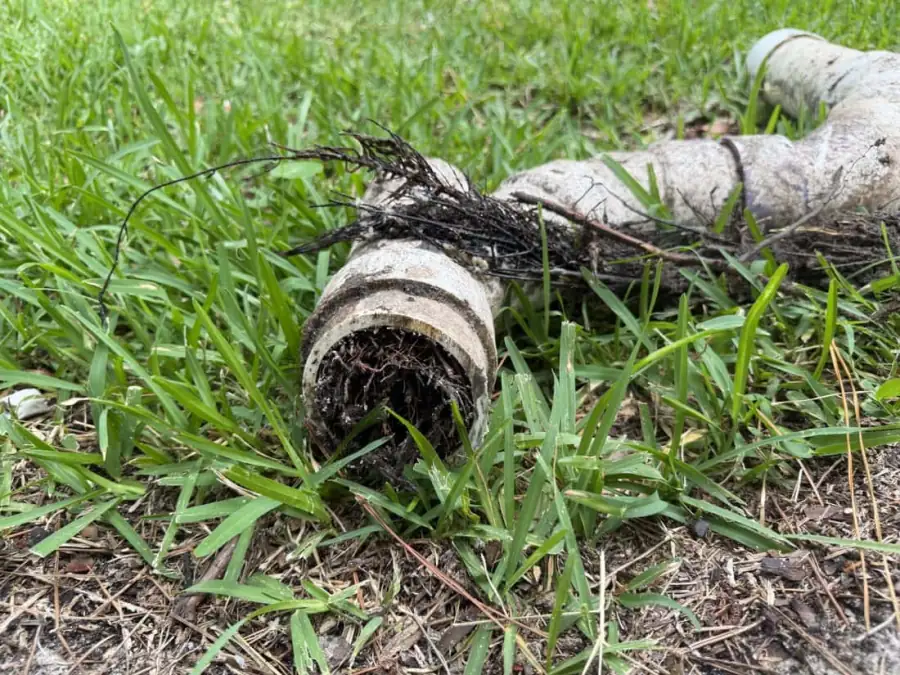
At 66 feet on ground that holds 60.8 inches of 2025 rain, the first question on an Elberta call is which direction the water is travelling — out of the plumbing, or into the building from the ground.
Elberta: Emergency Plumbing details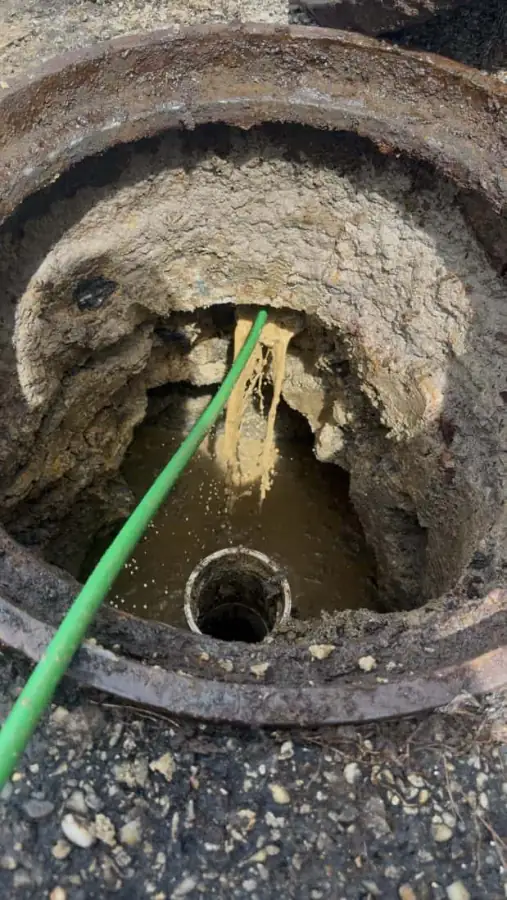 Elberta / 02
Drain Cleaning in Elberta
Elberta's registered utility carries a name that points somewhere else and contains a word that means nothing here, which makes this the right town for a page about what you cannot infer from a record.
Elberta: Drain Cleaning details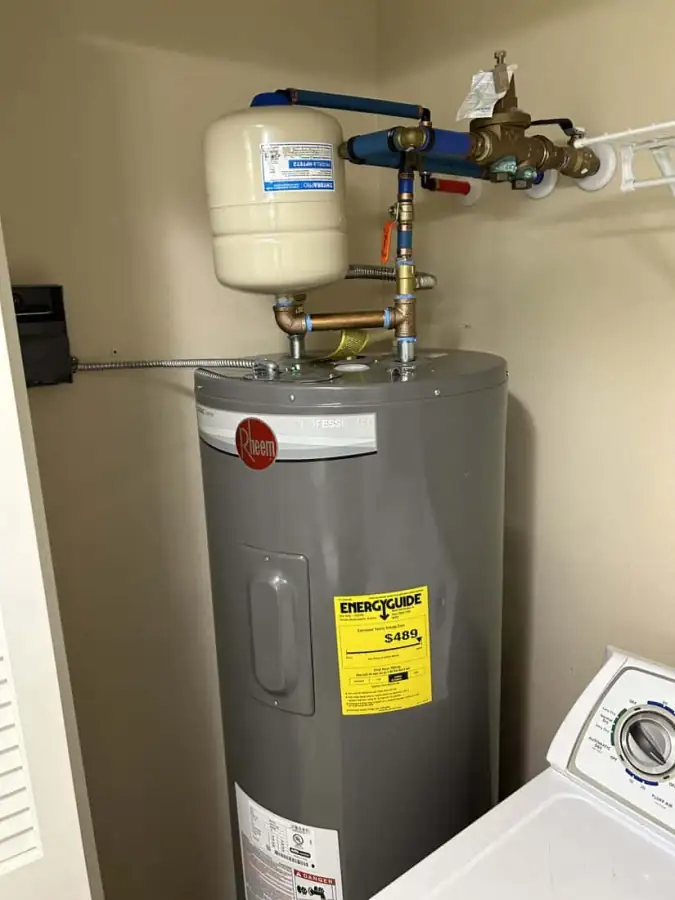 Elberta / 03
Water Heater Repair & Replacement in Elberta
One Elberta housing unit in six sits unoccupied, and a water heater in an empty house is not resting — it is holding fifty gallons at temperature and losing it to the room all week.
Elberta: Water Heater Repair & Replacement details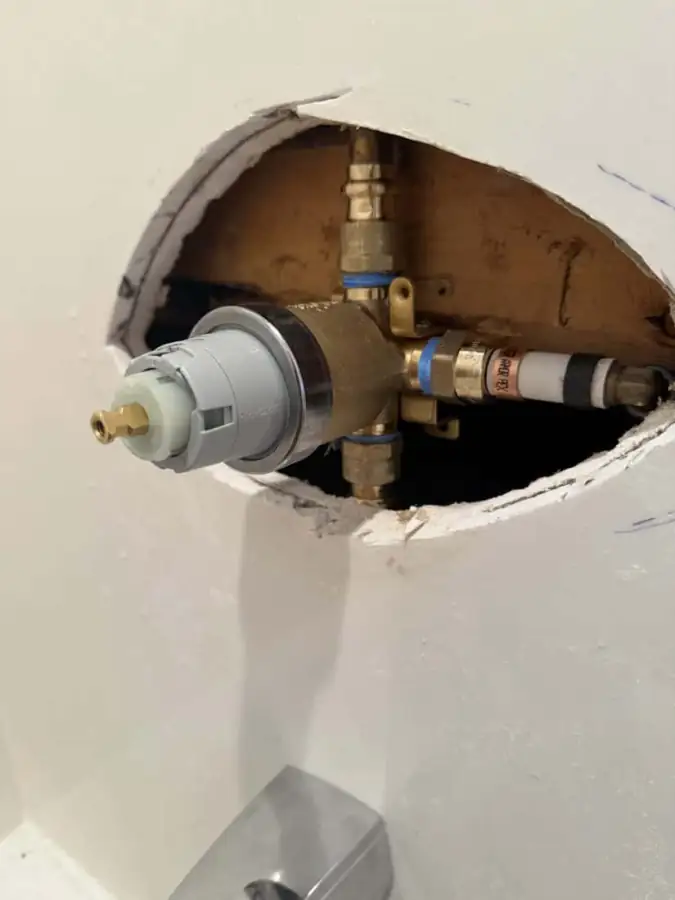 Elberta / 04
Leak Search & Repair in Elberta
A water meter counts what enters a property, so it finds pressurised supply losses and is completely blind to the drain side — which changes what an Elberta leak search does first.
Elberta: Leak Search & Repair details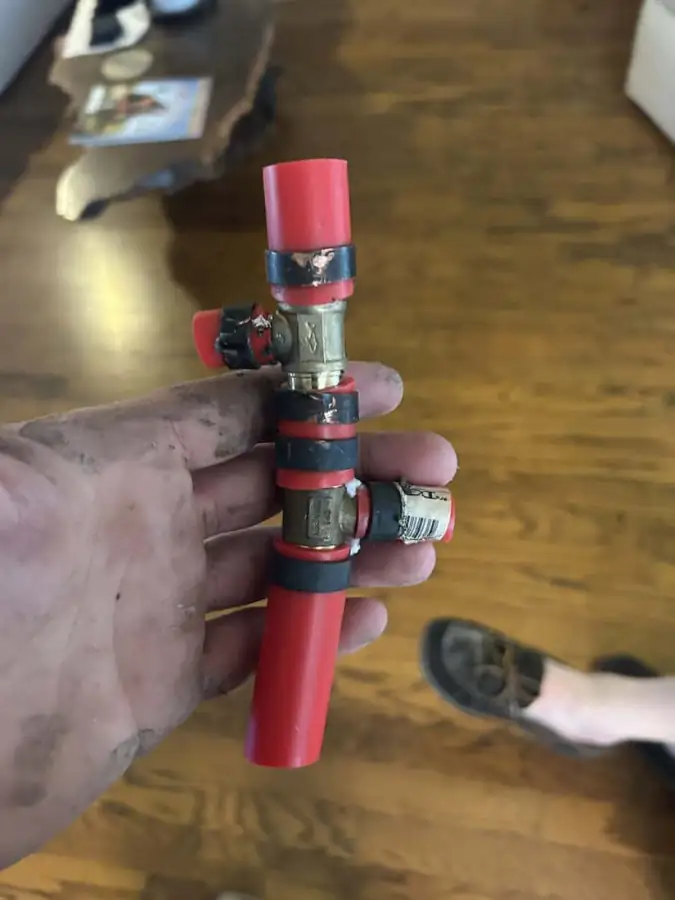 Elberta / 05
Water Line Repair & Replacement in Elberta
The entity that writes the rules about the buried pipe serving an Elberta address is registered under another community's name, and knowing whose rules apply is step one of any water-line job.
Elberta: Water Line Repair & Replacement details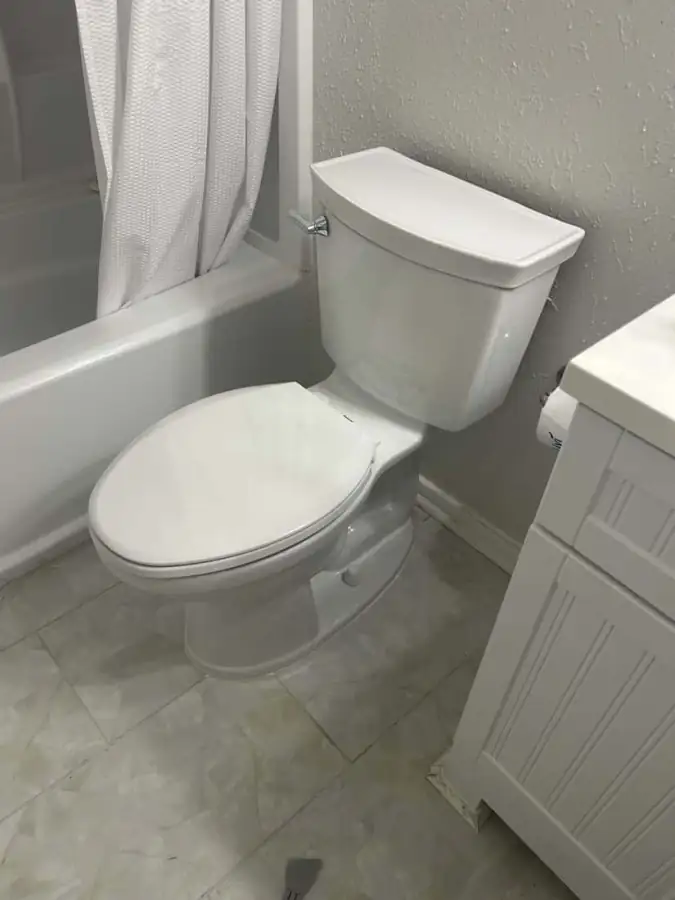 Elberta / 06
Toilet Repair & Replacement in Elberta
1993 is Elberta's median build year, the last full year before the federal flush-volume cap took effect, which makes this the natural place to answer what a pre-changeover household should expect from a replacement.
Elberta: Toilet Repair & Replacement details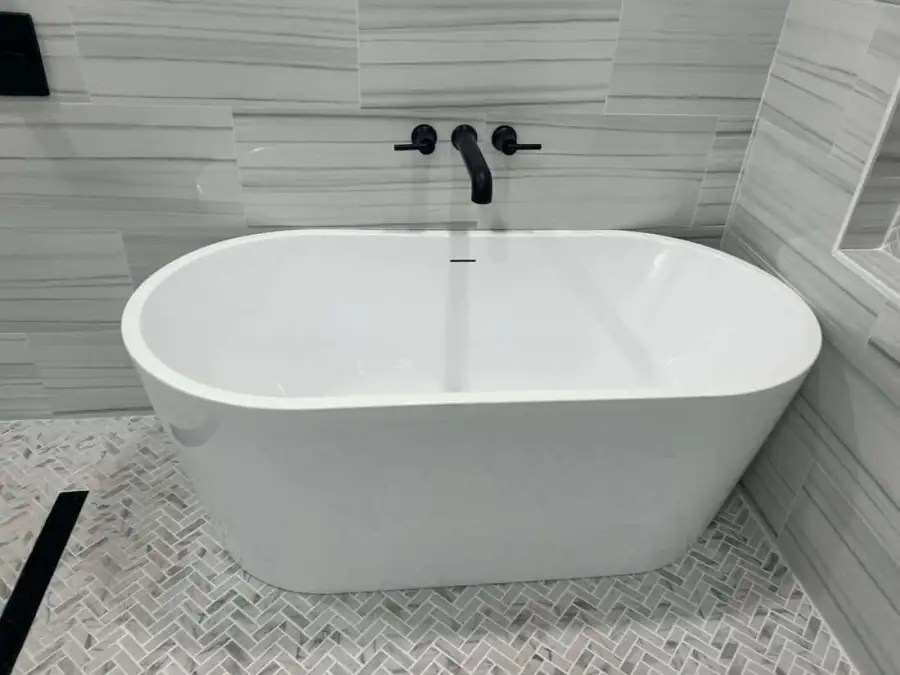 Elberta / 07
Faucet & Fixture Repair in Elberta
An older population on thirty-three-year-old stock produces a particular pattern of fixture work: parts availability, not part cost, is usually what decides repair against replacement.
Elberta: Faucet & Fixture Repair detailsElberta pumps, sewers, repipes, and projects by German heritage
 Elberta / 08
Tankless Water Heaters in Elberta
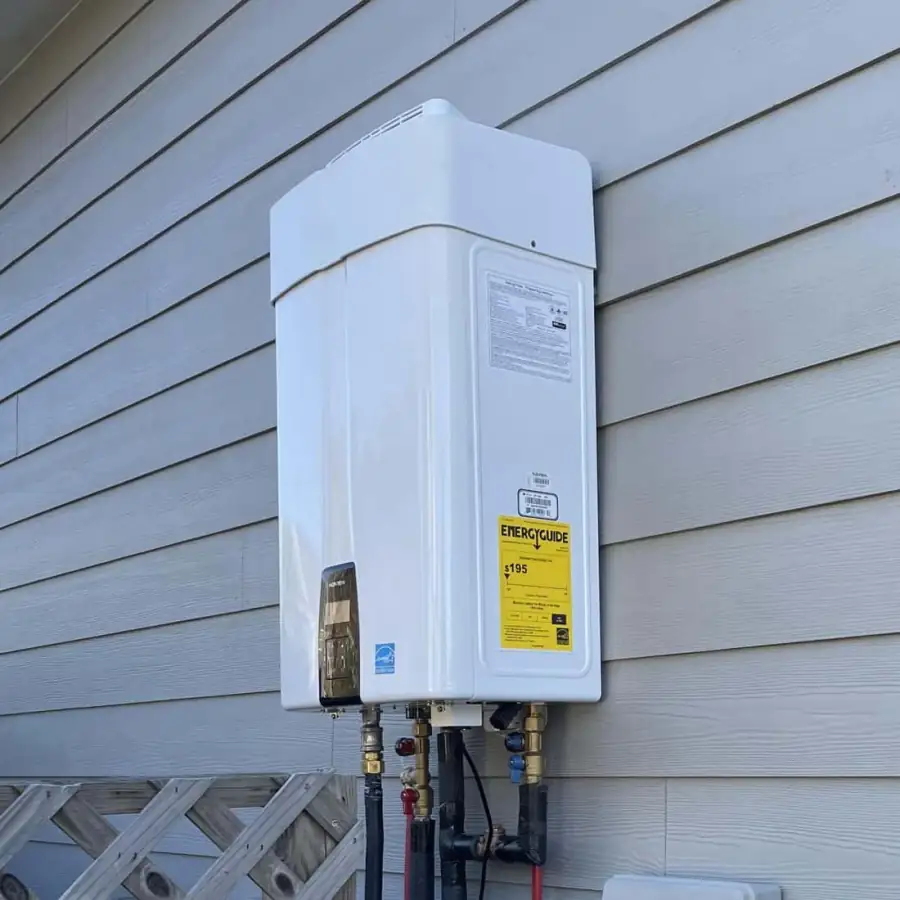
The acid that shortens a tankless heater's life is not in the water supply at all. The appliance manufactures it, and this page explains what that means for servicing one here.
Elberta: plan Tankless Water Heaters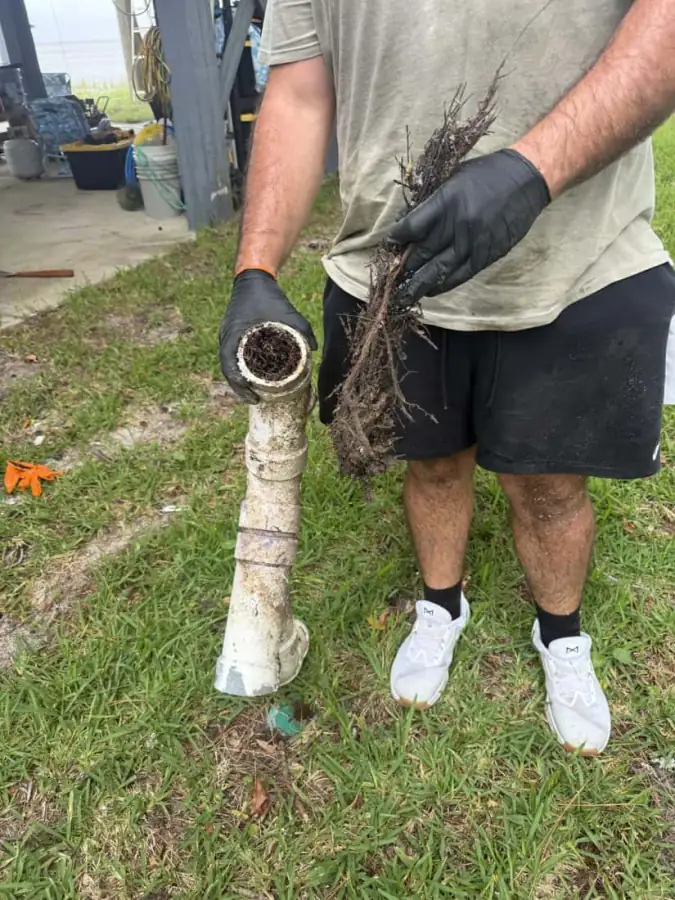 Elberta / 09
Sewer Line Services in Elberta
The ground above a buried line tells you things before any fixture misbehaves: a strip that stays green, a soft patch, a line of subsidence, a crack tracking across a hard surface.
Elberta: plan Sewer Line Services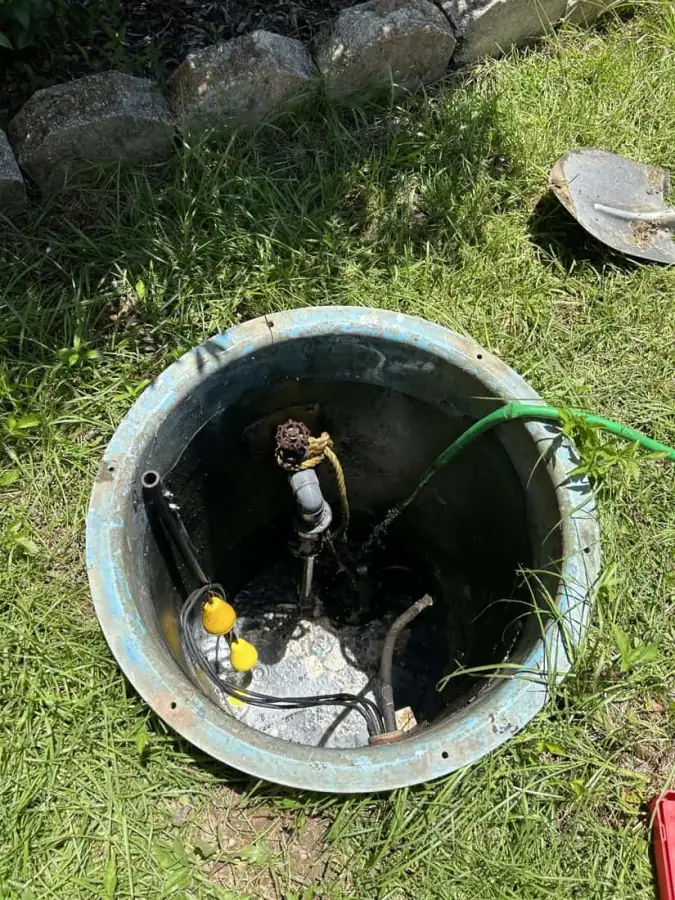 Elberta / 10
Grinder Pump Services in Elberta
Elberta has no town-run utility of its own, which makes the who-is-responsible-for-what question sharper here than in communities where one office answers everything.
Elberta: plan Grinder Pump Services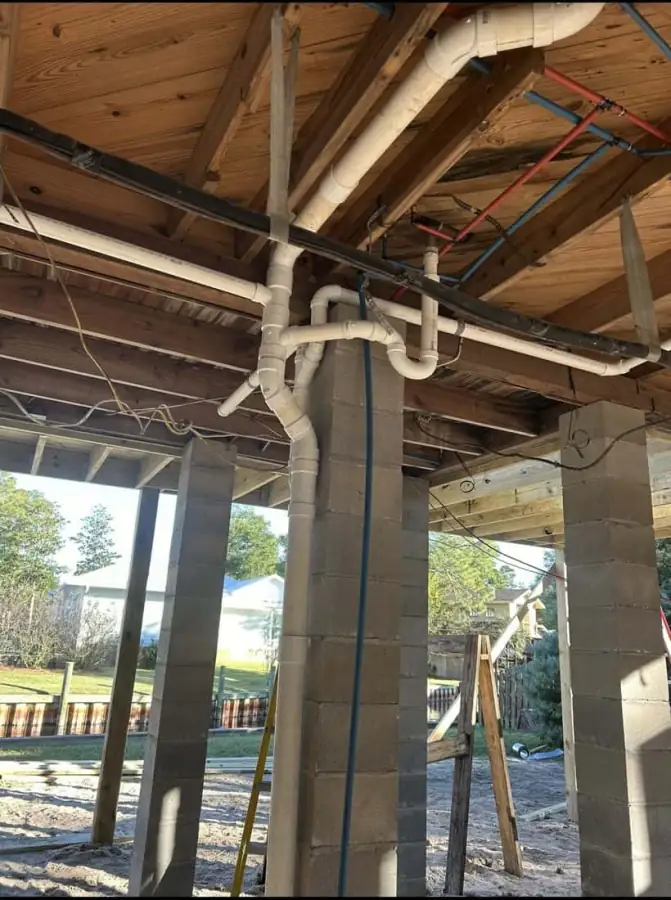 Elberta / 11
Sump Pump Services in Elberta
Every special flood hazard polygon around this town is studied AE with a computed elevation and none is approximate Zone A — which makes Elberta the rare place where the mapping actually answers the depth question.
Elberta: plan Sump Pump Services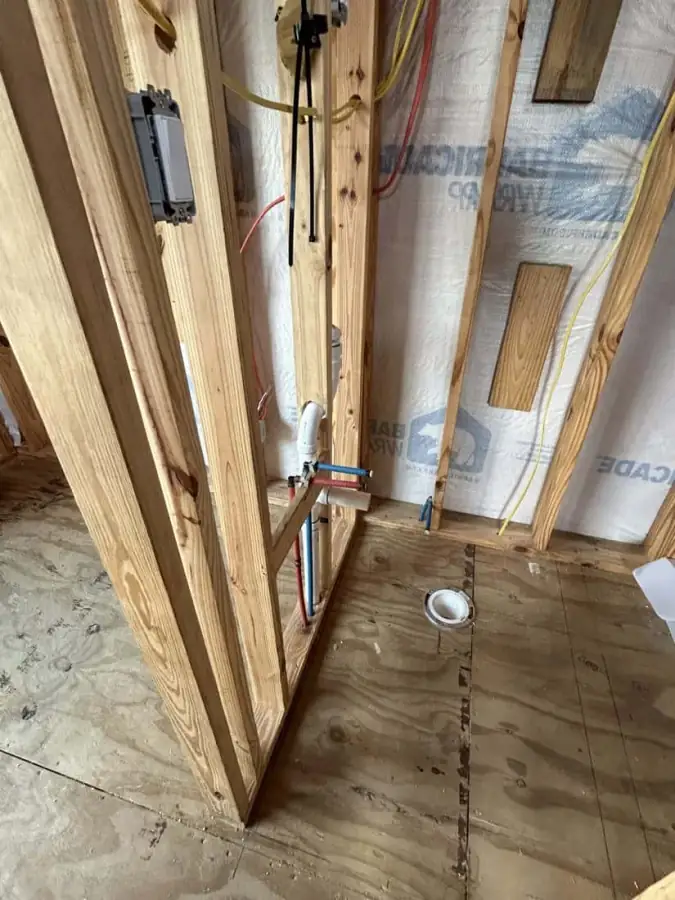 Elberta / 12
Whole-Home Repipe in Elberta
A repipe is indicated by a pattern and never by a single incident, and on 1993-era Elberta stock this page shows how to build the leak record that proves one exists.
Elberta: plan Whole-Home Repipe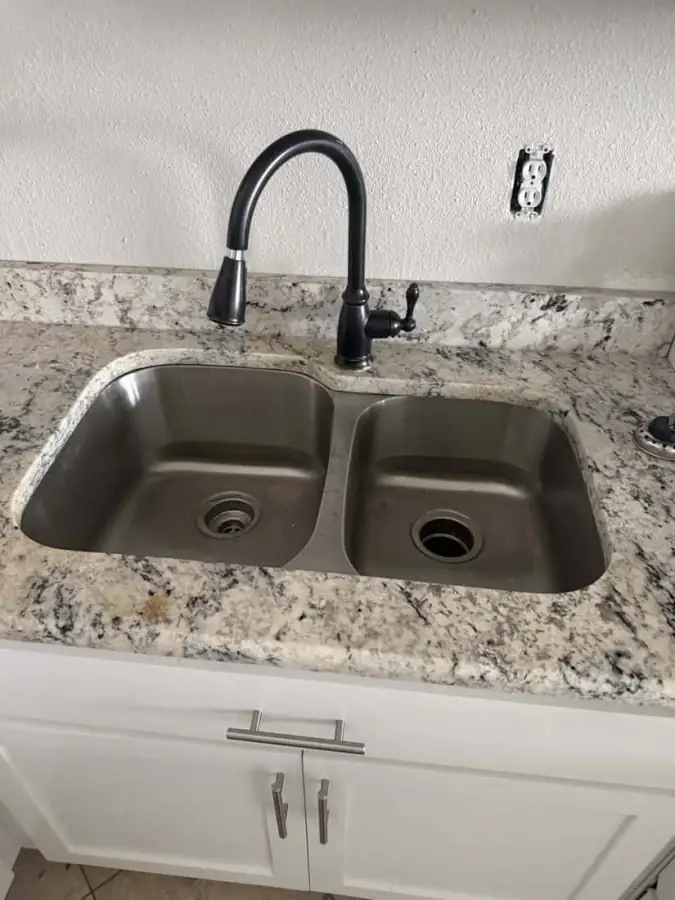 Elberta / 13
Appliance Installation in Elberta
Nearly every complaint that follows a dishwasher installation is a drainage complaint, and almost none of them is a fault in the machine — high loop, air gap and knockout are where it goes wrong.
Elberta: plan Appliance Installation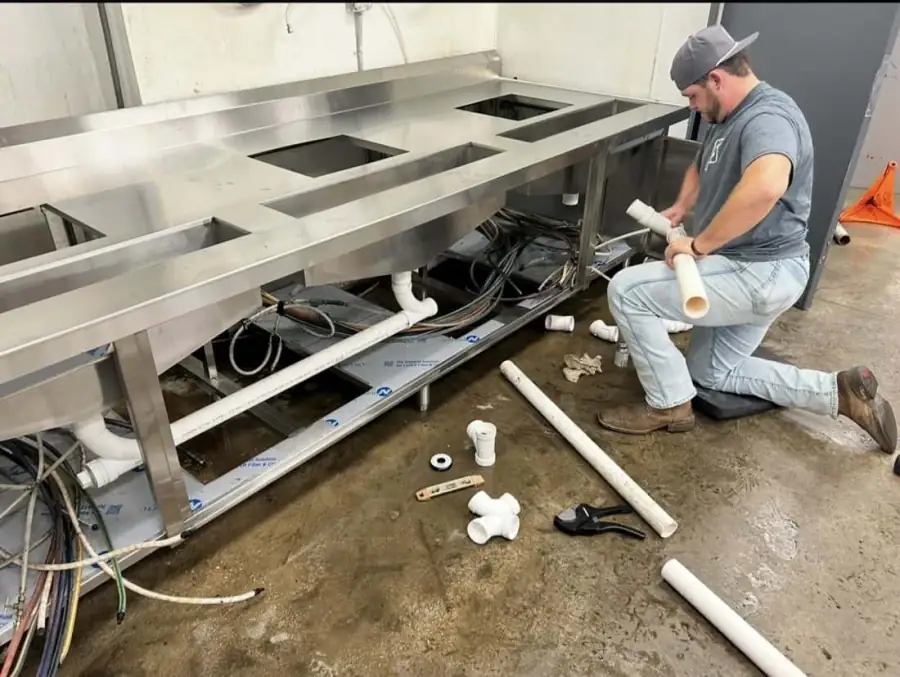 Elberta / 14
Commercial Plumbing in Elberta
A water district registered for 12,765 people against a town of 2,209 is a regional entity serving a farming trade area, and that gap is the honest measure of Elberta's commercial footprint.
Elberta: plan Commercial PlumbingWhat the Hwy 98 Address Tells Us.
Highway 98 east of Foley with deep German farming heritage and twice-yearly Sausage Festival weekends. Elberta's local references establish where service is available, not what repair a property needs.
Hwy 98 orients the route to Downtown Elberta. The service request should separately state the symptom, its start time, and any safe shutoff status.
Postal code 36530 serves the listed Elberta area. Complete street information remains necessary around German heritage and rural.
Downtown Elberta, the Highway 98 corridor, the Baldwin County Heritage Museum area, rural Elberta make up the coverage examples. Inspection at the Elberta address establishes the diagnosis before work is approved.